

Imagine you have ten dollars to spend and two ways to use it. You could buy a fancy poster that nobody will see, or you could buy supplies for something people will hold, wear, and talk about. Which one would you pick?
Smart business owners face this choice every day. Big companies can spend millions on ads, but small ones need to be clever. The good news is that clever often beats expensive. In this post, you will learn how to build a bold brand on a small budget, where to put your money first, and which little details give you the biggest bang for each dollar.
Bold Does Not Mean Expensive
Many people think a bold brand needs a huge budget. It does not. Bold simply means people can see you, remember you, and tell you apart from everyone else.
Think about a lemonade stand with a bright yellow sign and a kid who waves at every car. It costs almost nothing, yet people stop. That stand is bold because it is clear, cheerful, and easy to spot.
Your business can do the same. You just need to know who you are and show it the same way every time.
Know Who You Are Before You Spend
The cheapest branding tool is a few minutes of thinking. Before you buy anything, answer these questions in a notebook:
- Who are my customers?
- What do I sell that others do not?
- Which three words describe my business?
- How do I want people to feel when they meet my brand?
If your three words are “playful, honest, and strong,” every choice should match them. Your colors, your words, and your photos should all feel playful, honest, and strong. This plan costs nothing, and it stops you from buying things you will regret.
Pick a Small Set of Colors And Fonts
Too many colors make a brand look messy. Choose two or three main colors and one or two fonts, then stick with them.
Colors carry feelings. Blue feels calm and trustworthy. Red feels full of energy. Green feels fresh and natural. Yellow feels happy and warm. Pick the ones that fit your three words.
Free design tools can help you make a simple logo, a poster, or a social media banner. Keep the shapes plain and the letters big. A simple design is easier to read, easier to print, and cheaper to reproduce.
Spend First On Things People Touch
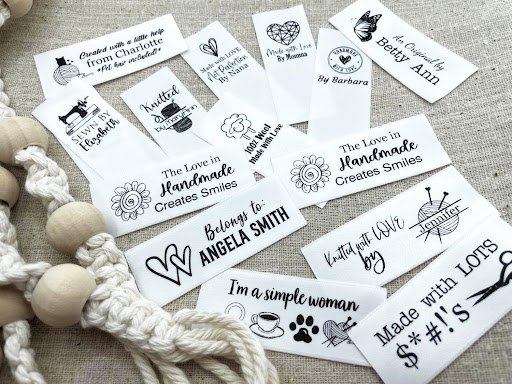
Here is a secret many owners learn late. People remember what they can hold much longer than what they scroll past. A website visit lasts a minute. A tag, a label, or a box can stay in someone’s home for years.
So when your budget is tight, spend first on the items that customers touch and keep. These are your packaging, your labels, and the little extras that arrive with each order. They travel from your shop to a customer’s house, then to their friends, and sometimes even to the trash can or recycling bin, where a neat design can still get one last look.
Tough Labels For Tough Jobs
Some products live a hard life. They get rained on, dropped, tossed in trucks, and stacked in damp garages. A label on those items has to survive the same trip, or it will peel, rip, or fade before the customer even uses the product.
This is where material matters. Paper can turn mushy in a puddle. Plastic films can look cheap. A better pick for rough conditions is custom Tyvek labels with logos and product details, which are light, strong, and built to resist water and tearing. A brand can easily print all its required details, and the label will still look clean after weeks outdoors. Since one label is attached to each item, the cost is small, but the message is big: “This brand builds things to last.”
Use Packaging To Make People Smile
A package is your first handshake with a customer. A crumpled box feels careless, but a neat one feels like a gift.
You can keep costs low with these simple ideas:
- Buy plain brown boxes in bulk so each one costs less.
- Use paper tape and crumpled paper instead of plastic and foam.
- Add a rubber stamp with your logo, which costs only a few dollars.
- Tuck in a handwritten thank-you note.
- Include one small surprise, like a sticker or a coupon.
Customers love to share what they get. When a box looks fun, they take photos and post them, and that is free advertising.
Dress Your Products With Matching Details
Now think about the items that people wear. Clothing and accessories feel special when they carry small signs of care, like a neat label in the collar or on the hem. These details show that the product was made with thought and that the brand is proud of its work.
To show the trademark name, the size, and washing tips in one small spot, brands choose custom clothing and apparel labels because they work like a quiet signature, telling the buyer who made the piece each time they put it on. It also helps your product look finished, even if you are just starting out. Customers who notice that kind of detail often trust the brand more.
Tell A Story People Can Repeat
People love stories more than sales talk. A story is also free. Why did you start your business? What problem did you want to fix? Who inspired you?
Maybe you began sewing bags at your kitchen table because you could not find one that was strong enough for school. Maybe you started making candles because you missed the smell of pine trees. These small, true tales help customers feel close to you.
Keep your story short and put it where people will see it, such as your website, a card in each box, or a short video. A good story is easy to repeat, and when customers repeat it, they spread your brand for you.
Let Social Media Do The Heavy Lifting
Joining social media costs nothing. You do not need to be on every site. Pick one or two where your customers already spend time.
Post what you are making, show how things are packed, and introduce your team. Answer comments fast. Thank people who share your products. When a customer posts a photo of something you made, share it with their permission. A real photo from a happy buyer is worth more than a polished ad.
Team Up With Neighbors
Local partnerships are a cheap way to reach new people. Work with schools, clubs, shops, and community groups. You might share a table at a fair, trade shout-outs online, or sponsor a small local event.
These actions cost little, yet they build goodwill. People remember businesses that help their community, and they tell others.
Keep Score So You Can Improve
You will not get everything right on the first try, and that is fine. What matters is noticing what works. Every month, check a few simple things:
- Which posts got the most attention?
- Which products sell the fastest?
- What do reviews say about the packaging and labels?
- How many customers came back to buy again?
Keep the ideas that work and drop the ones that do not. Branding is a habit, not a one-time project. It gets stronger as you learn.
Money Mistakes To Avoid
Even careful owners slip up. Here are a few traps:
- Buying a big batch of anything before testing a small one
- Changing your look every few weeks
- Copying a larger brand instead of being yourself
- Spending on fancy extras before the basics are ready
- Making promises your product cannot keep
Slow, steady, and honest beats loud and costly almost every time.
Start Small This Week
You do not need to do everything at once. Pick one idea from this post and try it in the next seven days. Write your three brand words. Stamp your boxes. Add a thank-you note. Share your story online.
Then check how people react. If they smile, comment, or order again, you are on the right track. Add another idea next month, then another the month after. Little by little, those small choices pile up into a brand that people notice and trust.
Remember the ten dollars from the start of this post? The best way to spend it is on something that shows your care and sticks in people’s minds. Do that again and again, and affordable success will follow.

