

Kenton Jarvis Biography: The Finance Executive Leading easyJet’s Next Era
The Finance Executive Transforming easyJet’s Future Through Strategic Airline Leadership

Introduction
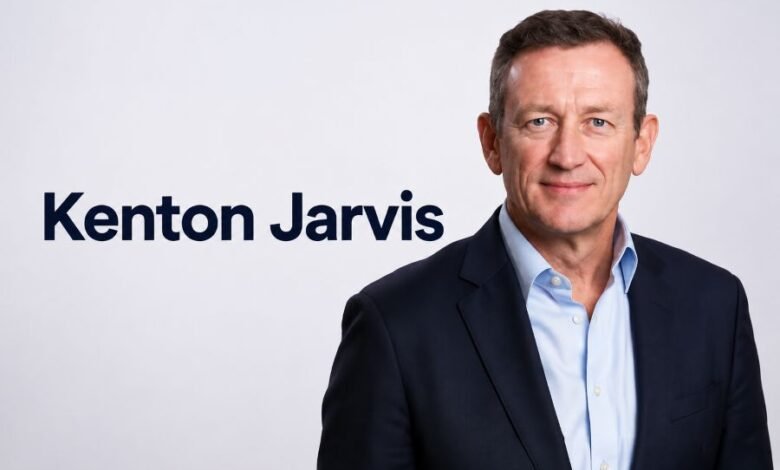
Kenton Jarvis became the face of a major leadership transition in European aviation when he took over as Chief Executive Officer of easyJet in January 2025. His appointment attracted attention not because he was an outsider bringing a completely new vision, but because he represented a different type of airline leader: a finance specialist with deep experience in travel, tourism, and aviation strategy.
Airlines have traditionally been led by executives with operational backgrounds, but Jarvis’s career shows how the industry’s priorities have changed. Modern carriers are dealing with financial pressure, aircraft shortages, sustainability demands, and changing passenger behaviour. Managing these challenges requires more than operational knowledge; it requires strong commercial judgement and the ability to balance growth with profitability.
Before becoming CEO, Jarvis spent almost four years as easyJet’s Chief Financial Officer (CFO), helping guide the airline through the difficult recovery period following the COVID-19 disruption. His earlier career at TUI, including his role as CEO of TUI Aviation, gave him experience across both airline operations and the wider holiday industry.
His journey from accountant to airline chief executive provides insight into how leadership in aviation is evolving and why easyJet selected an internal successor to guide its next stage of growth.
Quick Facts About Kenton Jarvis
| Category | Details |
|---|---|
| Full Name | Kenton Jarvis |
| Current Role | Chief Executive Officer of easyJet |
| Became CEO | 1 January 2025 |
| Previous Role | Chief Financial Officer, easyJet |
| Joined easyJet | February 2021 |
| Previous Major Employer | TUI Group |
| Previous Leadership Role | CEO of TUI Aviation |
| Education | Biochemistry degree from the University of Manchester |
| Professional Qualification | Chartered accountant |
From Accounting to Travel Industry Leadership
Kenton Jarvis’s early career was built around finance rather than aviation. He trained as a chartered accountant with PwC, developing expertise in financial management and business analysis.
His move into the travel sector came through senior roles at TUI Group, one of Europe’s largest tourism companies. Over more than 17 years with TUI, Jarvis worked across different areas of the business, gaining experience in corporate finance, commercial strategy, and aviation operations.
This background became important because airlines are not simply transport companies. Their success depends on managing complex relationships between aircraft capacity, ticket pricing, customer demand, fuel costs, and holiday markets.
Jarvis’s career combined financial discipline with travel industry knowledge, creating the foundation for his later move into airline leadership.
Building Aviation Experience at TUI
Before joining easyJet, Jarvis held a senior aviation position at TUI, eventually becoming CEO of TUI Aviation.
The role gave him direct exposure to airline management within a larger tourism group. TUI’s business model connects flights, hotels, and holiday packages, making it different from a traditional airline-only company.
This experience became particularly relevant at easyJet because the company has also expanded beyond flights through easyJet holidays. The growth of holiday packages represents a broader industry trend: airlines increasingly look for additional revenue streams instead of depending only on ticket sales.
Jarvis’s TUI background provided experience in managing this wider travel ecosystem.
Joining easyJet During Aviation’s Recovery Period
Jarvis joined easyJet as Chief Financial Officer in February 2021, a period when airlines were still recovering from the impact of the pandemic.
The aviation sector faced several major problems:
- Reduced passenger confidence
- Airport disruption
- Staff shortages
- Aircraft availability challenges
- Higher operating costs
As CFO, Jarvis was involved in financial planning and strategic decisions during this recovery phase. His role focused on strengthening the company’s financial position while preparing easyJet for future expansion.
His appointment as CEO later reflected the board’s confidence in his understanding of the company’s strategy and his involvement in shaping its direction.
Why easyJet Chose an Internal Successor
When easyJet announced Jarvis as its next CEO, the decision signalled a preference for continuity.
Rather than bringing in a leader from outside the company, easyJet selected someone who already understood its operations, financial position, and long-term plans.
The company’s leadership transition came after Johan Lundgren’s period as CEO. Jarvis inherited a strategy focused on improving profitability, growing holiday offerings, and maintaining easyJet’s position as one of Europe’s leading low-cost airlines.
Internal promotions often reduce uncertainty because new leaders already understand organisational challenges. However, they also create expectations that the executive must prove they can move from supporting strategy to ultimately owning it.
The Business Challenges Facing Jarvis
Leading an airline in the current environment requires balancing several competing pressures.
One challenge is aircraft supply. Airlines across Europe have faced difficulties receiving new aircraft on schedule, limiting their ability to expand capacity quickly.
Another challenge is cost management. Fuel prices, airport charges, and labour expenses can significantly affect airline profitability. Low-cost carriers depend heavily on efficiency, meaning small cost changes can have major effects on financial performance.
Sustainability is another long-term issue. Airlines face increasing pressure to reduce emissions while continuing to provide affordable travel. Achieving this balance remains one of the biggest challenges across the aviation industry.
Jarvis’s finance background may help easyJet maintain discipline in these areas, although his long-term success will depend on how effectively he manages operational and strategic challenges as CEO.
The Importance of easyJet Holidays in Jarvis’s Strategy
One area where Jarvis’s previous experience may prove valuable is the expansion of easyJet holidays.
Traditional airlines mainly earn revenue from flights, but holiday packages allow companies to capture more value from the complete travel experience.
Jarvis’s years at TUI gave him insight into this model. His leadership at easyJet comes at a time when airlines are increasingly competing through broader travel services rather than only offering low-cost seats.
The strategy reflects a wider change in aviation: airlines are looking for ways to build stronger customer relationships and create more stable income sources.
A Different Model of Airline Leadership
Kenton Jarvis represents a changing approach to airline management.
His career challenges the idea that successful airline CEOs must come exclusively from operational aviation backgrounds. His rise shows the growing importance of financial strategy, commercial decision-making, and business transformation.
Supporters of this leadership model argue that airlines need executives who can manage complex financial environments. Critics point out that aviation remains an operationally demanding industry where technical knowledge and experience are also valuable.
The debate highlights a larger question facing modern airlines: should future leaders be industry operators, commercial strategists, or a combination of both?
What Makes Kenton Jarvis’s Career Notable?
The most interesting part of Jarvis’s career is not simply that he became CEO of easyJet. It is the path he followed to reach that position.
He moved from accounting into tourism, then aviation management, and finally into the leadership of a major European airline.
His career reflects how modern business leaders increasingly move across connected industries. Travel, aviation, hospitality, and finance now overlap more than ever, and executives who understand these connections can bring broader perspectives to leadership roles.
Frequently Asked Questions About Kenton Jarvis
Who is Kenton Jarvis?
Kenton Jarvis is the CEO of easyJet, one of Europe’s largest low-cost airlines. He became CEO on 1 January 2025 after previously serving as the company’s CFO.
What was Kenton Jarvis’s role before becoming CEO?
Before becoming CEO, Jarvis was easyJet’s Chief Financial Officer from February 2021. Before that, he held senior leadership positions at TUI Group.
Did Kenton Jarvis work in aviation before easyJet?
Yes. He served as CEO of TUI Aviation before joining easyJet, giving him experience managing airline operations within the tourism industry.
What is Kenton Jarvis known for?
He is known for his finance-led approach to airline leadership and his experience combining financial management with travel industry strategy.
What challenges does Kenton Jarvis face as easyJet CEO?
His main challenges include managing costs, aircraft availability, competition, sustainability pressures, and maintaining profitable growth.
Conclusion
Kenton Jarvis’s appointment as easyJet CEO represents more than a change in leadership. It reflects how the aviation industry itself is changing. Airlines today require leaders who can manage operations, but also understand finance, customer behaviour, and long-term business strategy.
His background at TUI and easyJet has prepared him for many of the challenges facing modern aviation. However, his success will ultimately depend on how effectively he transforms experience into results as CEO.
Jarvis’s career offers a clear example of a new generation of business leadership: executives who move across industries and combine financial expertise with commercial understanding. At easyJet, that approach will be tested in one of the most competitive and unpredictable sectors in the global economy.