

Jernsenger: Why These Classic Iron Beds Still Belong in Modern Homes
Discover the meaning of Jernsenger, its Scandinavian roots, popular iron bed styles, practical benefits, and useful tips for choosing the right frame for your bedroom.

Introduction
A bed does more than hold a mattress. It can change how a bedroom looks, how much space feels available, and how comfortable the room is to use.
That is why traditional iron beds still attract attention.
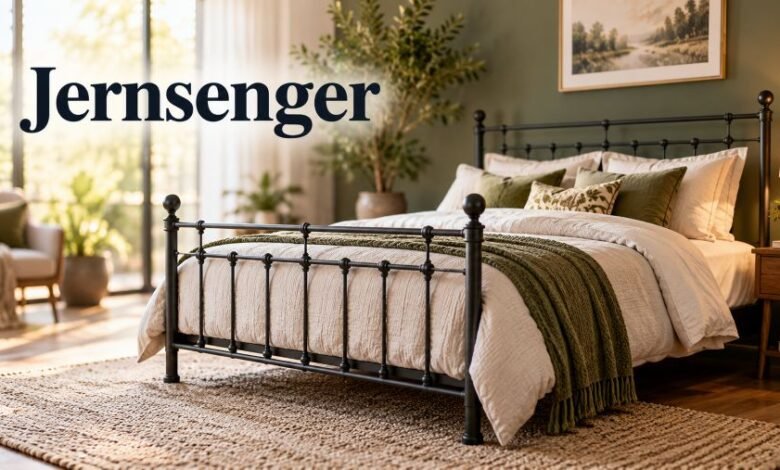
Jernsenger is the Norwegian plural word for iron beds. These metal-framed beds are associated with strength, open designs, and styles that range from decorative vintage furniture to simple modern frames.
Some have beautifully curved headboards. Others have straight metal bars and almost no decoration.
Both can look great.
But appearance is only part of the story. The construction, mattress support, finish, and frame dimensions matter just as much.
Quick Facts
| Feature | Details |
|---|---|
| Keyword | Jernsenger |
| Meaning | Iron beds |
| Language | Norwegian |
| Singular form | Jernseng |
| Main material | Traditionally iron; modern alternatives often use steel |
| Furniture category | Beds and bedroom furniture |
| Popular styles | Vintage, industrial, minimalist, Scandinavian |
| Main advantages | Strong construction, open appearance, easy cleaning |
| Possible drawbacks | Squeaking, cold metal surfaces, rust, heavy frames |
| Suitable spaces | Main bedrooms, guest rooms, apartments |
What Does the Word Actually Mean?
The word comes from Norwegian.
“Jern” means iron, while “seng” means bed. The plural form, “senger,” means beds.
Together, the term refers to iron beds.
It describes furniture rather than one specific design, product, or manufacturer.
That distinction matters because not every iron bed looks the same. A traditional model might have elaborate metalwork, while a contemporary frame may consist of simple black bars and a low headboard.
The Norwegian Academy Dictionary defines jernseng as a bed made of iron.
In everyday English, people usually search for “iron bed,” “metal bed frame,” or “iron bedstead” instead.
How Iron Beds Became Part of Home Design
Iron bedsteads have been used in homes for generations.
During the nineteenth century, metal furniture became increasingly common as manufacturing methods developed. Iron beds were practical alternatives to traditional wooden bedsteads.
They could be produced in different shapes, repaired, repainted, and used in a variety of settings.
Some became known for their decorative metalwork. Others were valued for their straightforward construction.
Over time, styles changed.
Modern manufacturers increasingly use steel tubes, welded joints, and protective finishes. These methods allow beds to have thinner profiles while maintaining useful structural strength.
The result is furniture that can feel traditional without looking outdated.
Popular Designs for Different Bedrooms
There is no single iron bed style. The best choice depends on how you want your bedroom to look and how much space you have available.
Traditional Victorian-Style Beds
These designs often feature curved metal bars, rounded posts, and decorative headboards.
They work particularly well with antique furniture, floral bedding, and warm bedroom colours.
A cream or white metal finish can create a softer appearance.
Minimalist Metal Bed Frames
Not every bedroom needs decorative details.
Minimalist frames use straight lines, plain surfaces, and simple shapes. Black, white, and grey finishes are common.
This type of design suits modern apartments and smaller rooms where a bulky bed might make the space feel crowded.
Industrial Bedroom Furniture
Industrial-style beds often feature dark metal, exposed structural elements, and strong geometric shapes.
They can look especially good alongside wooden bedside tables, brick-effect walls, and neutral bedding.
The style feels simple but has plenty of character.
Scandinavian-Inspired Frames
Scandinavian interiors often favour clean lines, practical furniture, and restrained colours.
A slim metal frame can complement these choices.
Light bedding, pale wood, and natural fabrics help keep the bedroom calm and comfortable.
Why People Choose Iron Bed Frames
Metal beds have several practical benefits, although their quality depends on how well they are manufactured.
A Strong Foundation
A properly built metal bed frame can provide reliable support.
Strong joints, stable legs, correctly positioned slats, and a suitable centre support all contribute to how well a bed performs.
However, the word “iron” does not automatically guarantee quality.
A poorly assembled metal frame can be less stable than a well-made wooden one.
Easy Bedroom Styling
One advantage of metal beds is their open appearance.
A frame with thin bars often makes more of the wall visible than a large upholstered headboard.
This can make a compact bedroom feel less crowded.
Straightforward Cleaning
Metal surfaces are generally easy to wipe clean.
Unlike fabric-covered headboards, plain metal bars do not require upholstery cleaning.
Dust can still collect around joints and decorative details, so regular cleaning remains important.
A Choice of Designs
Iron-style beds suit many interior preferences.
They can complement traditional homes without looking out of place in newer properties.
Changing the bedding, wall colours, or nearby furniture can give the same frame an entirely different appearance.
Are There Any Disadvantages?
Yes. Metal beds are not perfect for everyone.
Some models squeak when bolts loosen or joints move against one another. Others feel cold to the touch, particularly in winter.
Poor protective finishes may allow rust to develop in damp conditions.
Heavy frames can also be difficult to move.
These problems are not unavoidable. Good construction, proper assembly, suitable coatings, and basic maintenance can make a substantial difference.
Before buying, check whether the product includes a warranty, replacement parts, and clear assembly instructions.
How to Choose the Right Frame
Buying an iron bed should involve more than choosing an attractive headboard.
Start with the mattress.
Measure its length and width, then compare those measurements with the manufacturer’s recommended mattress size. Remember that bed frames may have larger external dimensions than the mattress they hold.
Next, examine the support structure.
A double or king-size metal bed may need additional centre support, depending on the frame design.
Check the following details:
- Mattress size and frame dimensions
- Maximum recommended load
- Slat spacing and mattress compatibility
- Metal thickness and joint construction
- Protective coating and finish
- Assembly instructions
- Warranty and return policy
- Available space around the bed
Do not assume that every metal frame works with every mattress.
Some foam and hybrid mattresses require closely spaced slats or a continuous supporting base. Follow the mattress manufacturer’s instructions.
Iron Beds Compared With Wooden Beds
| Feature | Iron or metal beds | Wooden beds |
|---|---|---|
| Appearance | Often slim and open | Can look warm and substantial |
| Construction | Metal tubes, bars, or cast sections | Solid wood or engineered wood |
| Cleaning | Usually simple to wipe | Depends on wood finish |
| Moisture concerns | Rust if the finish is damaged | Swelling or warping in unsuitable conditions |
| Noise | Loose joints may squeak | Loose joints may creak |
| Repair | Depends on metal type and construction | Depends on timber and joinery |
| Design choices | Traditional to industrial | Rustic to contemporary |
Neither material is automatically better.
A high-quality wooden bed can last many years. So can a properly manufactured metal bed.
The right choice depends on comfort, construction, appearance, budget, and maintenance preferences.
Making a Small Bedroom Look More Spacious
A slim metal bed frame can work well in a small bedroom.
Its open headboard and visible floor space may help the room feel less visually crowded.
However, the actual measurements still matter.
A large frame with oversized posts will not save floor space simply because it is made from metal.
Choose an appropriately sized model, avoid unnecessary decorative bulk, and leave enough room to move comfortably around the bed.
Wall-mounted lighting, compact bedside tables, and under-bed storage can help make the space more practical.
Simple Maintenance Tips
A little attention can help a metal frame remain in good condition.
Dust the frame regularly with a soft cloth. For most painted or powder-coated surfaces, a slightly damp cloth and gentle cleaner may be suitable, followed by thorough drying.
Avoid abrasive cleaning products that could scratch the finish.
Check bolts and screws periodically, especially if the bed begins making unusual noises.
If you notice damaged paint or early signs of corrosion, follow the manufacturer’s advice for cleaning and repair.
Keep the frame away from persistent dampness where possible.
These small habits can help protect both its appearance and structural condition.
Is Jernsenger a Furniture Brand or Website?
The keyword primarily describes iron beds in Norwegian.
However, it also appears as the name of Jernsenger.com, a website that presents information about iron beds and other subjects.
This means the word can appear in two different contexts.
Someone researching bedroom furniture may be looking for the meaning of the Norwegian term. Another person may be searching for the website itself.
The existence of a website with this name does not mean that every iron bed belongs to a single manufacturer or product collection.
When shopping, check the actual seller, manufacturer, specifications, and customer service information separately.
Are Metal Beds Worth Buying in 2026?
For many households, yes.
A well-made metal bed can be a sensible choice for a main bedroom, guest room, or rented property.
Modern designs offer plenty of flexibility.
Some buyers prefer understated frames that occupy little visual space. Others enjoy decorative metalwork that brings personality to a traditional bedroom.
The most important consideration is not whether a bed looks fashionable.
It is whether the frame is stable, fits the mattress, suits the room, and meets the buyer’s practical needs.
A beautiful frame that moves, rattles, or fails to support the mattress correctly is not a good purchase.
Final Thought
Jernsenger may sound unfamiliar, but its meaning is straightforward: iron beds.
What makes this furniture interesting is its variety. A metal bed can feel vintage, modern, simple, or decorative depending on its construction and surrounding furnishings.
Choose carefully.
Look beyond colour and headboard design. Check the materials, frame stability, mattress support, and manufacturer information.
The best bed is one that looks right in your room and continues to serve its purpose comfortably.
Frequently Asked Questions
1. What does Jernsenger mean in English?
Jernsenger means “iron beds” in Norwegian. It is the plural form of jernseng, meaning an iron bed.
2. Are iron beds stronger than wooden beds?
Not necessarily. Strength depends on the materials, joints, frame design, and manufacturing quality. Both metal and wooden beds can provide excellent support.
3. Are these beds suitable for small bedrooms?
Yes. Slim frames with open headboards can make a small room feel less crowded, provided the bed dimensions suit the available space.
4. Do metal bed frames make noise?
Some may squeak when bolts loosen or joints move. Correct assembly and periodic tightening can reduce noise.
5. Can an iron bed rust?
Yes. Iron and ordinary steel can corrode when exposed to moisture, particularly if their protective finish is damaged.
6. Are traditional iron beds still popular?
They remain a recognised furniture style, especially in vintage, industrial, farmhouse, and Scandinavian-inspired interiors. Popularity varies by market and design.
7. Can I use a memory foam mattress on a metal frame?
Often, yes, but the support system must meet the mattress manufacturer’s requirements for slat spacing and structural support.
8. Is Jernsenger a specific bed company?
No. The Norwegian word is a general furniture term. A website also uses the name, but the word itself does not identify a single manufacturer.