

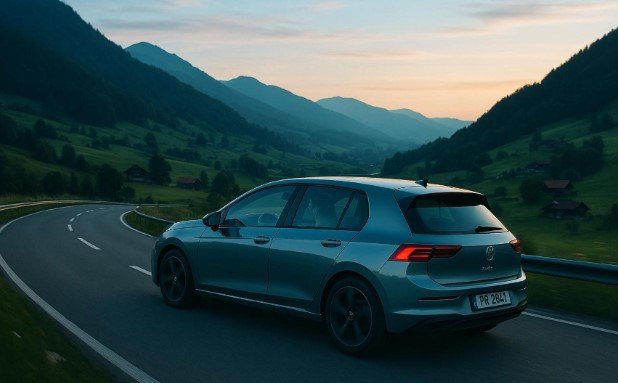
If you are planning a long trip across Europe, renting a private vehicle can give you great freedom. Arranging a car rental from CarFree offers a practical, Poland-based way to explore the continent at your own pace. You can leave behind fixed train schedules and crowded tour buses and visit quieter places, from misty Carpathian valleys and Baltic beaches to charming Bavarian villages that public transport routes often miss.
A successful self-drive trip across European borders needs a good mix of flexibility and careful planning. Getting the keys is only the start. You also need to understand vehicle categories, cross-border permissions, insurance, and local toll systems. These details can make the difference between a smooth road trip and a stressful one. CarFree offers useful options for travelers starting in Central Europe, as long as you choose a booking setup that matches your route.
Why Choose CarFree for a Journey in Europe?
Flexible Car Rental Options for City Breaks and Road Trips
Different trips need different cars. A quick weekend away may call for a small vehicle that is easy to park, while a journey lasting several weeks may require more space, comfort, and motorway features. City trips are often easier with a light hatchback that can fit into small parking spaces near historic centers. Longer journeys benefit from comfortable seats, a large boot, and cruise control for extended motorway drives.
CarFree offers several vehicle classes for short city visits and longer family trips. Short bookings of up to 30 days usually include unlimited mileage. This lets you change your route without constantly checking how many kilometers you have driven. Whether you are planning a three-day trip between Krakow and Wroclaw or a month-long drive through Central Europe, choosing the right car size and rental period helps you control your travel costs.
Access To Convenient European Pickup and Return Locations
Convenience starts as soon as you leave the airport or train station. CarFree has locations at major Polish transport hubs, including airports and commercial areas in Warsaw, Krakow, Gdansk, Katowice, and Wroclaw. These locations provide useful starting points for European road trips, with easy access to roads leading west towards Germany and south towards the Czech Republic.
Airport and terminal locations save you from carrying luggage through unfamiliar local transport systems after a long flight. Simple collection and return procedures let you complete the paperwork and reach the motorway quickly. Returning the vehicle at a major transport hub can also make it easier to match your rental with an international flight, reducing city transfers and possible delays.
When a Rental Car Offers More Freedom Than Trains or Public Transport
Europe has an excellent rail network, but trains do not reach every destination easily. Smaller rail lines may run infrequently, require several changes, or close at certain times. An 80-kilometer journey can sometimes take most of a day. Moving heavy bags, pushchairs, or sports equipment between platforms can also make a trip tiring.
A private rental car gives you more control over the route. You can stop at an orchard in Lower Silesia, drive to a quiet mountain viewpoint for sunset, or stay at a rural guesthouse that buses and trains do not serve. A car also protects your plans from rail strikes, timetable changes, and crowded carriages. You decide when to leave, where to stop, and how much time to spend at each place.
Which Car Rental Option Fits Your European Route?
Economy Cars for Affordable City Travel
For solo travelers and couples visiting historic regional capitals, an economy car offers a useful mix of low cost and easy handling. These small hatchbacks use little fuel and can move through narrow old-town streets, medieval lanes, and city gates with less difficulty than a large vehicle.
Economy cars also help reduce daily costs in cities where parking is expensive and garages have tight spaces. If your plans mainly include museums, cafes, and sights, with only short motorway drives between destinations, this class can keep your spending low while still offering features such as air conditioning and smartphone connection.
Compact Cars for Narrow Streets and Easy Parking
A compact car is a good middle choice for a trip that combines city visits with longer motorway drives. Compact hatchbacks offer more cabin and boot space than small economy cars and can provide a quieter, smoother ride at higher speeds. They are still small enough for narrow streets and busy old-town parking areas.
This class usually offers enough luggage space for two or three adults with medium-sized suitcases. You also get steady handling, good fuel use, and safety features such as lane assistance and front collision warnings. At the same time, you avoid the higher cost and parking difficulties linked to larger vehicles.
Family Cars and SUVs for Longer Road Trips
Family sedans, estate cars, and SUVs are useful for journeys that include mountain roads, coastal motorways, and thousands of kilometers with several passengers. An SUV gives the driver a higher seating position and a wider view on unfamiliar mountain roads. An estate car usually provides a large boot, helping keep bags out of the passenger area.
Long drives are easier in a car with supportive seats, rear climate vents, and a longer wheelbase that remains stable at motorway speeds. Families with children, pushchairs, and several suitcases will also have more room to move around. This reduces the need to repack the car every time you stop.
Automatic, Manual, Hybrid, and Electric Rental Cars
Manual gearboxes are still common in Europe and often have the lowest rental price. If you do not feel comfortable controlling a clutch on steep cobbled streets or in heavy city traffic, an automatic car may be a good choice. The extra daily cost can be worthwhile if it makes driving less tiring.
Hybrid cars offer a useful option between petrol and electric vehicles. They recover energy while braking in city traffic and can still travel long distances on motorways without charging stops. Fully electric vehicles are becoming easier to use across Central and Western Europe, supported by expanding European Union charging rules such as AFIR. Before choosing an EV, check the planned charging points, plug type, and whether your accommodation offers overnight charging.
Short-Term Rentals Compared With Longer Bookings
The length of your trip should influence the type of rental agreement you choose. Weekend trips and bookings of up to 30 days often include unlimited mileage. This gives you room to take scenic detours, follow better weather, or change plans during the trip.
Medium-term and longer rentals, often lasting more than four weeks, may use fixed mileage limits. A common limit is about 3,000 kilometers per month. Check your planned route against the allowance before booking. If your journey includes several countries and long detours, extra-kilometer charges can add up quickly.
Which Documents and Driver Requirements Apply?
Passport, Identity Card, Driving Licence, and Booking Confirmation
Having the correct documents ready can save time at the rental desk. Staff usually need the original physical documents. Phone photos and digital scans are generally not accepted. You must show a valid passport or official national identity card. EU citizens can usually use their national identity card. You also need a current domestic driving licence that you have held for at least one year.
A printed voucher or an offline PDF of your booking can help settle questions about prepaid services or the reserved vehicle class. Keep all documents together and make sure they match the legal name of the main driver. This helps the staff check your booking and prepare the vehicle handover form without delays.
Minimum Age, Driving Experience, and Young-Driver Charges
Many European rental companies set the minimum driver age at 21. Some categories, including sports cars, premium estates, and nine-seat vans, may require the driver to be 25 or 28 years old. Rental companies usually also require at least 12 months of driving experience with an unrestricted licence.
Drivers under 25 often pay a daily young-driver fee. This charge reflects the higher risk linked to less experienced drivers on unfamiliar roads. Younger customers should check that they qualify for the chosen vehicle and include this fee in the trip budget.
When an International Driving Permit May Be Required
An International Driving Permit, or IDP, is a multilingual translation of your domestic licence. It is required when your licence was issued outside the European Union or does not use the Roman alphabet. This can apply to licences written in Arabic, Cyrillic, Japanese, or Mandarin. You must carry the IDP together with the original licence.
Even drivers with licences written in English, including those from Australia, Canada, or the United States, may benefit from carrying an IDP. Some police forces and traffic authorities ask for it during roadside checks. Obtaining one in your home country before the trip is usually inexpensive and can prevent problems in different countries.
Debit Cards, Credit Cards, Deposits, and Preauthorisation
Payment cards are a common source of problems at vehicle collection. Rental companies usually prefer a physical credit card in the exact legal name of the main driver. At collection, the company places a temporary preauthorisation on the card. This protects against damage, missing fuel, unpaid tolls, or traffic penalties.
Debit cards are accepted by some companies for the initial online payment, but their use for the security deposit at the desk may be limited. If a debit card is accepted, the company may require the highest damage protection level. The money may be removed from your bank balance rather than simply reserved on a credit limit. A credit card with enough available funds is usually the safest option for collection.
How to Book a CarFree Rental for Europe
Choose Your Country, Pickup Location, Dates, and Vehicle
Start by choosing realistic dates and a practical pickup point. When booking through the CarFree website, enter the correct arrival location, such as Warsaw Chopin Airport (WAW) or Krakow John Paul II International Airport (KRK). Add an arrival time that allows for leaving the aircraft, collecting luggage, and passing immigration.
Choose the vehicle based on passenger space and luggage size rather than looks alone. Four passengers may bring four suitcases as well as backpacks and other items. Putting all of this into a very small hatchback can make the journey uncomfortable and may block the driver’s view. A slightly larger car can leave space for food, purchases, and other road-trip supplies.
Check Availability, Mileage Limits, and Rental Conditions
Before confirming the car, read the exact conditions attached to the quote. Check whether the rental includes unlimited mileage or has a daily or total distance limit. For short leisure trips in Poland and nearby EU countries, unlimited mileage can help if you face road closures, take scenic detours, or make a navigation mistake.
Also check the minimum age, approved driving countries, card requirements, and pickup waiting period. Knowing these rules before arrival can prevent extra costs or disagreements at the rental counter.
Compare Protection Packages Before Confirming Payment
During online checkout, you may be offered higher protection or plans that lower the excess. Compare these choices with your route and the amount of financial risk you are comfortable carrying.
Some outside brokers and travel insurers sell separate excess reimbursement policies. Direct protection through CarFree can make the process simpler. It may reduce the card hold and allow minor damage to be handled at the rental desk instead of requiring a separate claim after you return home.
Review Cancellation, Modification, and Late-Return Policies
Flights, rail services, and personal plans can change. Read the cancellation and booking-change rules before entering payment details. Direct CarFree bookings usually allow free cancellation when requested at least 24 hours before pickup. Refunds are normally processed within 14 business days.
If you do not collect the car and did not cancel in advance, or if you cancel less than 24 hours before pickup, you may lose the booking fee. Also check the late-return rule. Returning the car after the agreed time without contacting the branch can lead to a full extra day’s rental charge and a fee for extending the booking without permission.
What Should You Know Before Driving Across Europe?
Road Signs, Speed Limits, Parking Rules, and Low-Emission Zones
European traffic rules are closely monitored, often with automatic cameras. Unless signs show a different limit, common limits are 50 km/h in built-up areas, 90 to 100 km/h on many secondary roads, and 120 to 130 km/h on motorways. Poland drives on the right, but other local rules apply in each country. Some places require daytime headlights, for example.
City parking may involve colored curb markings, pay-and-display machines, or local parking discs. Many large cities also have Low Emission Zones or Clean Air Zones. Examples include France’s Crit’Air system and Germany’s Umweltplakette system. A vehicle without the required permit or emissions rating may receive a camera-based fine. Check city access rules before choosing a hotel in a central area.
Motorway Tolls, Electronic Toll Systems, and Country Vignettes
Road payment systems differ from one country to another. A journey from Poland may involve these main types:
| Toll System Type | Representative Countries | Payment & Compliance Method |
| Prepaid Time Vignette | Austria, Czech Republic, Slovakia, Slovenia, Switzerland, Hungary | Buy online or at a border petrol station before entering the motorway. The pass is linked to the registration plate or shown as a sticker on the windscreen. |
| Distance Toll Gates | France, Italy, Poland (select stretches), Spain, Croatia | Use a toll booth or electronic gate. Take a ticket when entering and pay by card or cash when leaving, based on the distance driven. |
| Electronic Free-Flow | Portugal, Norway, select modern bypasses across the EU | Overhead cameras read the registration plate. You may need to register the vehicle in advance or pay online within the stated time limit. |
Authorities take missing vignette payments seriously. If you enter an Austrian or Czech motorway without a valid digital vignette, cameras may record the vehicle and a large fine may arrive after your holiday.
Driving in City Centres, Mountain Roads, and Rural Areas
Different roads call for different driving habits. Historic city centers may have narrow cobbled streets shared by trams, bicycles, pedestrians, and delivery vehicles. Trams usually have priority. Passing a stopped tram while passengers are getting off into the road is generally prohibited.
Mountain roads require careful gear use and speed control. On steep downhill sections, changing to a lower gear can use engine braking and reduce pressure on the foot brakes. Continuous braking can overheat the system and reduce stopping power. In rural areas, watch for damaged road surfaces, farm vehicles entering from hidden roads, and animals near the road at dawn and dusk.
Navigation, Phone Use, Child Restraints, and Safety Equipment
Using a handheld phone while driving is a serious traffic offense in Europe. Use a hands-free system or a secure phone mount. Holding the phone at a red light or keeping it on your lap while moving can result in a high fine and penalty points.
Child safety rules vary, but many countries require children under 150 cm tall or under 12 years old to use an approved child restraint. Check the rule in each country on your route. Keep high-visibility vests inside the passenger area rather than in the boot. This lets you put one on before leaving the car on a busy motorway shoulder.
Emergency Numbers and Roadside Assistance
The common emergency number across EU countries is 112. It connects you with police, ambulance, or fire services. English-speaking operators are available in many areas.
For a mechanical problem that is not an immediate danger, call the 24/7 CarFree roadside assistance number shown in your rental agreement. Recovery services may work faster in Poland than abroad. A breakdown outside Poland may require coordination with local recovery companies and can take more time.
Plan Your European Journey With CarFree
Match Your Vehicle, Route, Dates, and Budget Before Booking
A good European road trip starts with preparation. Map the route in kilometers and identify how much time you will spend on motorways, mountain roads, and in cities. Select a vehicle that matches the group size, luggage, and road conditions. Make sure there is enough room inside and that the car is suitable for the terrain.
Calculate the full daily cost, including fuel, vignettes, parking, and the card deposit. Booking a few weeks before travel can give you lower rates and a better chance of finding an automatic, hybrid, or other preferred vehicle. Popular categories may sell out during busy holiday periods.
Review the Rental Agreement and Travel Restrictions
Read the complete rental agreement before confirming the booking. Check that every destination country is allowed and that each one appears in the contract. Add any required cross-border fee before you collect the car.
Also check the card requirements and deposit amount. Your card should have enough available funds for both the rental payment and the security hold, without leaving you unable to use it during the holiday. Knowing the agreement rules before departure can prevent the car from becoming an unexpected cost or problem.
Reserve Your CarFree Rental and Prepare for the Road
Once your route, dates, vehicle, and border permissions are clear, complete the CarFree booking through the official website. Save the confirmation, customer service numbers, and offline maps on your phone before going to the airport.
At pickup, check the documents, inspect the vehicle, record its condition, and keep the signed handover form. Then you can begin your journey with a clear plan. A well-prepared CarFree rental gives you the freedom to explore Europe at your own speed and visit places that are difficult to reach by public transport.