
Wollmatten: What Are They and Why Are Wool Mats So Useful?
From warm floor coverings to insulation and garden protection, Wollmatten can serve many different purposes. Here is what the term means, how these mats are used, and what you should check before buying one.

Introduction
The word Wollmatten may look like the name of a special product or company. It is actually much simpler.
Wollmatten is a German term for wool mats. The singular form is Wollmatte. In most cases, these mats are made fully or partly from sheep’s wool, although manufacturers may combine wool with other fibres, backing materials, latex, adhesives, or protective finishes.
That simple name covers a surprisingly wide range of products.
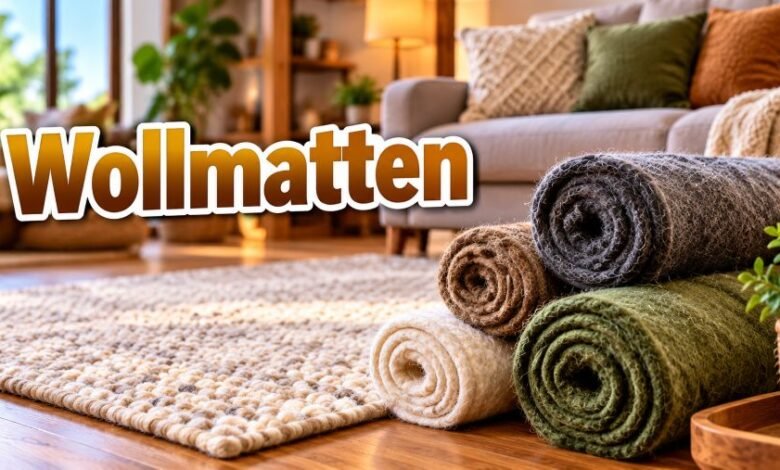
A soft mat beside a bed can be a Wollmatte. So can a dense felt pad used for crafts. Some wool mats are manufactured for building insulation, while others are designed for gardening, yoga, meditation, sound reduction, or surface protection.
Quick Facts About Wollmatten
| Feature | Details |
|---|---|
| Meaning | Wool mats |
| Language | German |
| Singular | Wollmatte |
| Plural | Wollmatten |
| Common material | Sheep’s wool |
| Common forms | Felted, woven, tufted or needle-punched |
| Typical uses | Flooring, insulation, yoga, crafts, gardening and protection |
| Key benefit | Warm, soft and naturally insulating |
| Important check | Fibre content, thickness and intended use |
What Does Wollmatten Mean?
The meaning comes directly from German.
Wolle means wool, while Matten means mats. Wollmatten therefore broadly describes mats made from wool.
It is not a registered product type with one standard size, thickness or construction. Two items sold under the same term may be completely different.
One might be a soft decorative floor mat.
Another could be a thick technical wool material designed for thermal insulation.
That distinction matters when shopping online. The name alone does not tell you whether the product will work for your intended purpose.
What Are Wollmatten Made From?
Sheep’s wool is the material most commonly associated with Wollmatten.
Manufacturers can process the fibres in different ways. Wool may be woven, compressed, felted, tufted or needle-punched depending on the final product.
Not every mat labelled as a wool mat contains 100% wool.
Some include:
- Cotton
- Polyester fibres
- Natural or synthetic latex
- Anti-slip backing
- Dyes
- Adhesives
- Protective coatings
Buyers looking specifically for natural materials should check the full composition rather than relying only on the product name.
Common Types of Wollmatten
The biggest source of confusion around Wollmatten is the number of products covered by the term.
Here are some of the most common types.
1. Wool Floor Mats
These are probably the easiest type to recognise.
A wool floor mat provides a soft surface on wooden, tiled or laminate flooring. It may be placed near a bed, sofa, entrance or seating area.
Wool fibres trap small pockets of air, helping the surface feel warmer underfoot. The texture also adds comfort to rooms that otherwise contain many hard surfaces.
2. Felt Wollmatten
Felt mats are denser.
Instead of producing a loose, fluffy surface, wool fibres are compressed or bonded together to form a relatively firm sheet.
These mats can be used beneath furniture, in craft projects, as padding or as protective material between objects.
Thickness matters here. A thin felt sheet and a dense industrial wool pad may both appear under similar product names but behave very differently.
3. Wool Yoga and Meditation Mats
Some Wollmatten are specifically made for yoga, relaxation and meditation.
The wool surface provides cushioning and warmth, which can make it attractive for seated meditation, restorative yoga or slower exercises performed close to the floor.
These products may also have a separate anti-slip underside.
Someone buying one for exercise should check its grip, dimensions, thickness and backing rather than assuming every wool mat will work as a yoga mat.
4. Wool Insulation Mats
Wool can also be processed into insulation-grade mats.
These products may be installed in walls, roofs, ceilings or floors when they have been specifically manufactured and rated for construction use.
An ordinary decorative mat should never be treated as building insulation simply because it contains wool.
Construction-grade products need appropriate technical specifications covering matters such as thermal performance, fire behaviour, density and installation requirements.
5. Garden Wollmatten
Wool mats also have uses outdoors.
Special garden products can be positioned around plants or across soil. Depending on their design, they may help protect the soil surface, suppress some weed growth or provide insulation around plants.
These are very different from indoor rugs. Outdoor use requires a product specifically designed to handle changing weather and soil contact.
6. Craft and Ironing Mats
Dense wool pressing mats are popular in sewing and quilting.
They provide a firm surface beneath fabric during pressing and can withstand the heat involved in normal ironing when the product is designed for that purpose.
Again, product specifications matter. A decorative floor mat should not automatically be used as a high-temperature ironing surface.
Benefits of Wollmatten
Why choose wool instead of a synthetic material?
There are several practical reasons.
Warm and Comfortable
Wool has naturally crimped fibres that hold pockets of air.
That structure contributes to its insulating properties and explains why wool floor mats often feel warm and comfortable beneath the feet.
Soft Surface
Many indoor Wollmatten provide gentle cushioning.
This is useful on hard floors and in areas where people frequently sit, stand or walk barefoot.
Sound Reduction
Dense textile materials can soften some reflected sound inside a room.
Certain wool products are also manufactured specifically for acoustic applications. Their effectiveness depends heavily on thickness, density, construction and placement.
Renewable Material
Wool is a naturally renewable fibre because sheep regrow their fleece.
Pure untreated wool can also biodegrade under suitable conditions. However, that does not automatically mean every finished Wollmatte is completely biodegradable. Synthetic backing, adhesives, dyes and blended fibres can change the environmental profile of the final product.
Long-Term Use
Well-made indoor wool products can remain useful for years when properly maintained.
Their real lifespan depends on fibre quality, construction, traffic, sunlight, moisture exposure and cleaning habits.
Are There Any Drawbacks?
Yes.
Wool mats are not perfect for every situation.
One obvious issue is moisture.
Wool can interact with moisture and water vapour, but that does not make Wollmatten waterproof. Standing water, persistent dampness or leaks can damage products that were designed for dry indoor environments.
Price can also be higher than basic synthetic alternatives.
Cleaning may require additional care, especially with felted or untreated wool.
Some wool products can also shrink, distort or change texture when washed incorrectly.
The safest approach is simple: follow the care instructions supplied with the individual product.
How to Choose the Right Wollmatte
Do not buy based on appearance alone.
Start with the job the mat needs to perform.
Check Its Intended Use
Is it being purchased for:
- Flooring?
- Yoga?
- Insulation?
- Gardening?
- Sewing?
- Sound reduction?
- Furniture protection?
Choose a product designed for that application.
Check Wool Content
A product marketed as a wool mat may still contain additional materials.
Look at the fibre percentage if natural content matters to you.
Consider Thickness
A thicker mat usually provides more cushioning, but thickness alone does not determine quality.
Density and construction matter too.
Look at the Backing
Floor mats can move across smooth surfaces.
An appropriate anti-slip backing may therefore be useful in areas with polished floors.
Check Cleaning Instructions
This can save trouble later.
Some products tolerate spot cleaning. Others may require specialist cleaning, gentle hand treatment or dry methods.
Never assume that a wool mat is machine washable unless the manufacturer explicitly says so.
How to Care for Wollmatten
Care depends on the individual product, but a few general habits can help.
Vacuum indoor floor mats gently to remove loose dirt and dust.
Deal with spills quickly instead of allowing liquid to remain deep inside the fibres.
Avoid aggressive scrubbing.
If the product becomes wet, allow it to dry properly according to its care instructions.
Keep indoor wool products away from persistent damp areas unless they were specifically manufactured for that environment.
For expensive floor mats, professional cleaning may sometimes be safer than experimenting with strong household detergents.
Wollmatten vs Synthetic Mats
Both have their place.
Synthetic mats can be inexpensive, light and easy to manufacture in many colours and patterns.
Wollmatten appeal to people who prefer the texture, warmth and characteristics of natural wool.
The better option depends on where the mat will be used.
For a bathroom exposed to frequent water, a wool floor mat may not be the obvious choice.
For a bedroom or quiet living area where warmth and texture matter, wool may make more sense.
Purpose comes first.
Are Wollmatten Sustainable?
Wool has several characteristics that make it interesting to sustainability-conscious buyers. It is renewable and can biodegrade under suitable conditions.
Still, the sustainability of a complete mat cannot be judged from the word “wool” alone.
Consider:
- Where the wool came from
- How the fibres were processed
- Whether synthetic materials were added
- Types of dyes or finishes used
- Product lifespan
- Transport distance
- Packaging
- End-of-life disposal
A long-lasting product made mostly from natural fibres may offer a different environmental profile from a heavily blended mat that needs frequent replacement.
Final Thought
Wollmatten sounds like a highly specific term, but its meaning is broad: wool mats.
The important part is what comes after the name.
A decorative wool floor mat, yoga mat, garden cover and building-insulation mat may all fall under the Wollmatten label, yet they are made for completely different jobs.
Check the material composition, construction, thickness, backing and intended application before purchasing. Get those details right, and wool mats can provide warmth, comfort and practical value for many different spaces.
Frequently Asked Questions
What does Wollmatten mean?
Wollmatten is the German plural term for wool mats. The singular form is Wollmatte.
Is Wollmatten a brand?
No. Wollmatten is a general German term rather than the name of one particular brand.
Are Wollmatten made from real wool?
Many are primarily made from sheep’s wool, but some products contain synthetic fibres, backing, latex, adhesives or other materials. Check the product composition before buying.
Can Wollmatten be used on floors?
Yes. Many Wollmatten are designed as indoor floor coverings and can provide warmth, texture and cushioning.
Can Wollmatten be used for insulation?
Specially manufactured wool insulation mats can be used in buildings. Ordinary decorative wool mats should not be substituted for certified construction insulation.
Are Wollmatten waterproof?
Generally, no. Wool can interact with moisture, but it should not be considered waterproof unless a particular finished product has been designed and tested for that purpose.
How should Wollmatten be cleaned?
Cleaning requirements vary. Gentle vacuuming and quick attention to spills are suitable for many indoor mats, but always follow the manufacturer’s instructions.
Are Wollmatten environmentally friendly?
Wool is renewable and can biodegrade under appropriate conditions. The environmental impact of a finished mat also depends on additional fibres, backing, dyes, manufacturing, transport and how long the product lasts.